
Let's talk about one of the most annoying parts of hair removal: ingrown hairs.
You've ditched the razor, committed to waxing, and you're loving your smoother skin. But then a little bump shows up. Maybe two. Maybe a whole collection of unwelcome guests.
Sound familiar?
Ingrown hairs are incredibly common, especially in areas like the bikini line, Brazilian area, and underarms. And while waxing can help reduce some of the irritation associated with shaving, it doesn't make you completely immune to ingrowns. The good news? A little understanding and a consistent aftercare routine can go a long way toward keeping those pesky bumps under control.
First Things First: What Exactly Is an Ingrown Hair?
An ingrown hair happens when a hair grows back into the skin instead of emerging normally through the surface. Rather than growing outward, the hair may curl back into the skin or become trapped beneath dead skin cells. Your body can react to that trapped hair with inflammation, resulting in a red, tender, itchy, or sometimes pimple-like bump.
Ingrown hairs can happen anywhere hair grows, but they're especially common in areas where hair is coarse, curly, or regularly removed.
And yes, even people who have been waxing for years can experience them.
Why Do Ingrown Hairs Happen After Waxing?
Waxing removes hair from the root, leaving your skin feeling smoother for longer than shaving. But as new hair grows back, it still has to make its way through the surface of your skin.
A few factors can make that journey a little more complicated.
1. Dead Skin Cell Buildup
Your skin is constantly shedding dead cells. When those cells accumulate around hair follicles, they can make it more difficult for new hairs to emerge properly.
2. Your Natural Hair Texture
If you have coarse or curly hair, you may be more prone to ingrowns. Curved hairs can sometimes grow back toward the skin rather than straight out.
3. Friction and Tight Clothing
Tight leggings, underwear, and other clothing that rub against freshly waxed skin can contribute to irritation, particularly around the bikini line.
4. Picking, Tweezing, or Squeezing
We know it's tempting. But digging at a trapped hair can damage your skin, introduce bacteria, and potentially lead to infection, scarring, or dark spots.
5. Your Individual Skin and Hair Growth Patterns
Some people are simply more prone to ingrown hairs than others. Skin characteristics, hair texture, and individual growth patterns all play a role.
How to Prevent Ingrown Hairs After Waxing
Here's where a little consistency makes a big difference. You don't need a complicated 12-step skincare routine for your bikini line. You just need a few good habits.
1. Give Your Skin a Little Breathing Room
For the first 24 hours after waxing, keep things simple.
Avoid unnecessary friction, excessive sweating, hot tubs, saunas, and heavily fragranced products. Freshly waxed skin can be more sensitive, so giving it time to settle helps minimize irritation. Loose, breathable clothing is your friend.
2. Exfoliate Regularly (But Don't Overdo It)
Exfoliation helps remove dead skin cells that can contribute to trapped hairs. Once your skin has calmed down after waxing, typically after 48–72 hours, you can gradually reintroduce gentle exfoliation.
There are two main types:
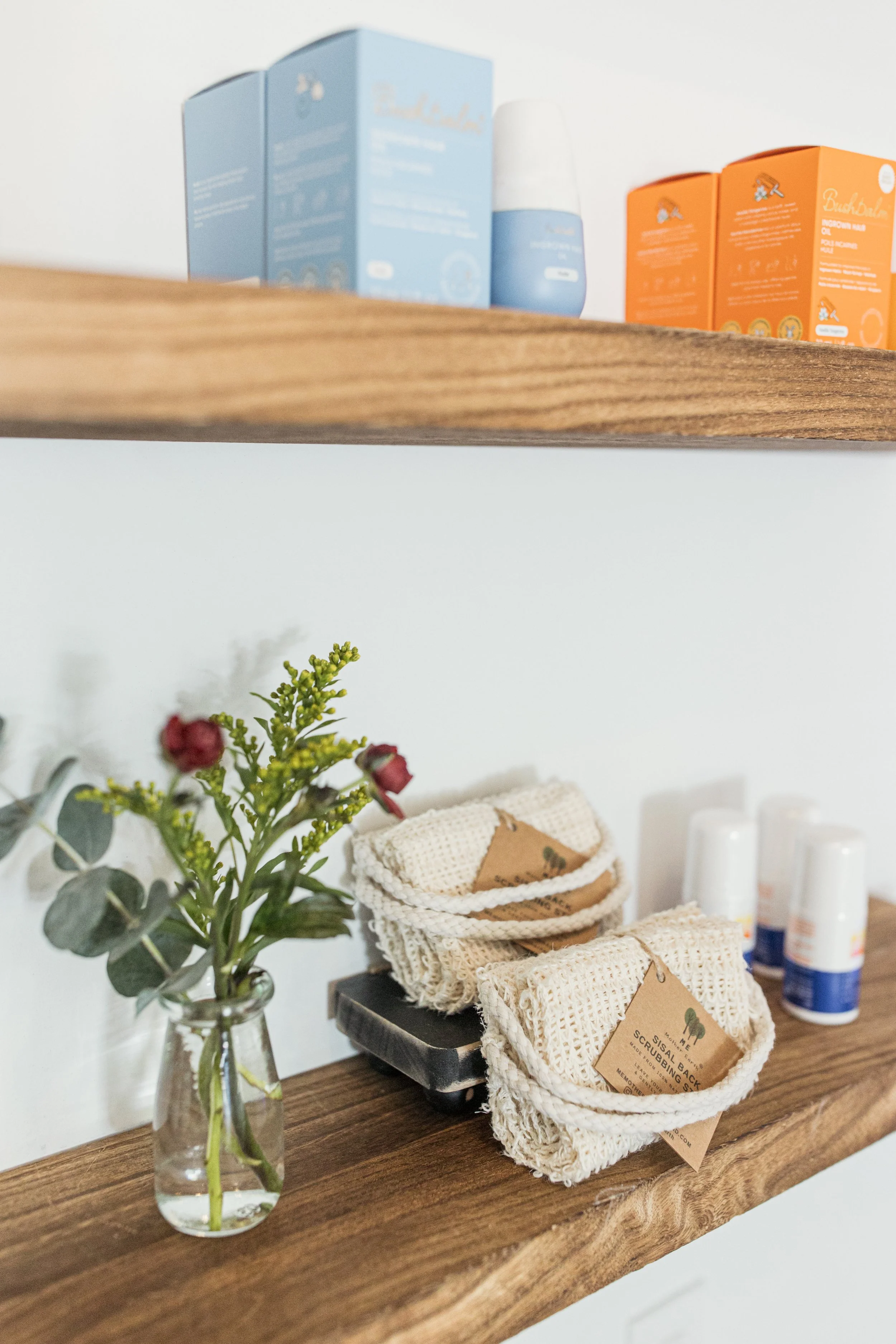
Physical exfoliation: Uses a gentle scrub or exfoliating cloth to remove dead skin cells from the surface.
Chemical exfoliation: Uses ingredients like salicylic acid, glycolic acid, or lactic acid to help loosen dead skin cells and keep follicles clear.
The key is finding what works for your skin without overdoing it. More exfoliation doesn't necessarily mean fewer ingrowns. In fact, aggressive scrubbing can make irritation worse. Aim for a gentle, consistent routine based on your skin's tolerance and the product's directions.
3. Keep Your Skin Hydrated
Dry, irritated skin isn't doing your hair follicles any favors.
Regular moisturizing helps support your skin barrier and keeps skin feeling soft and comfortable between appointments.
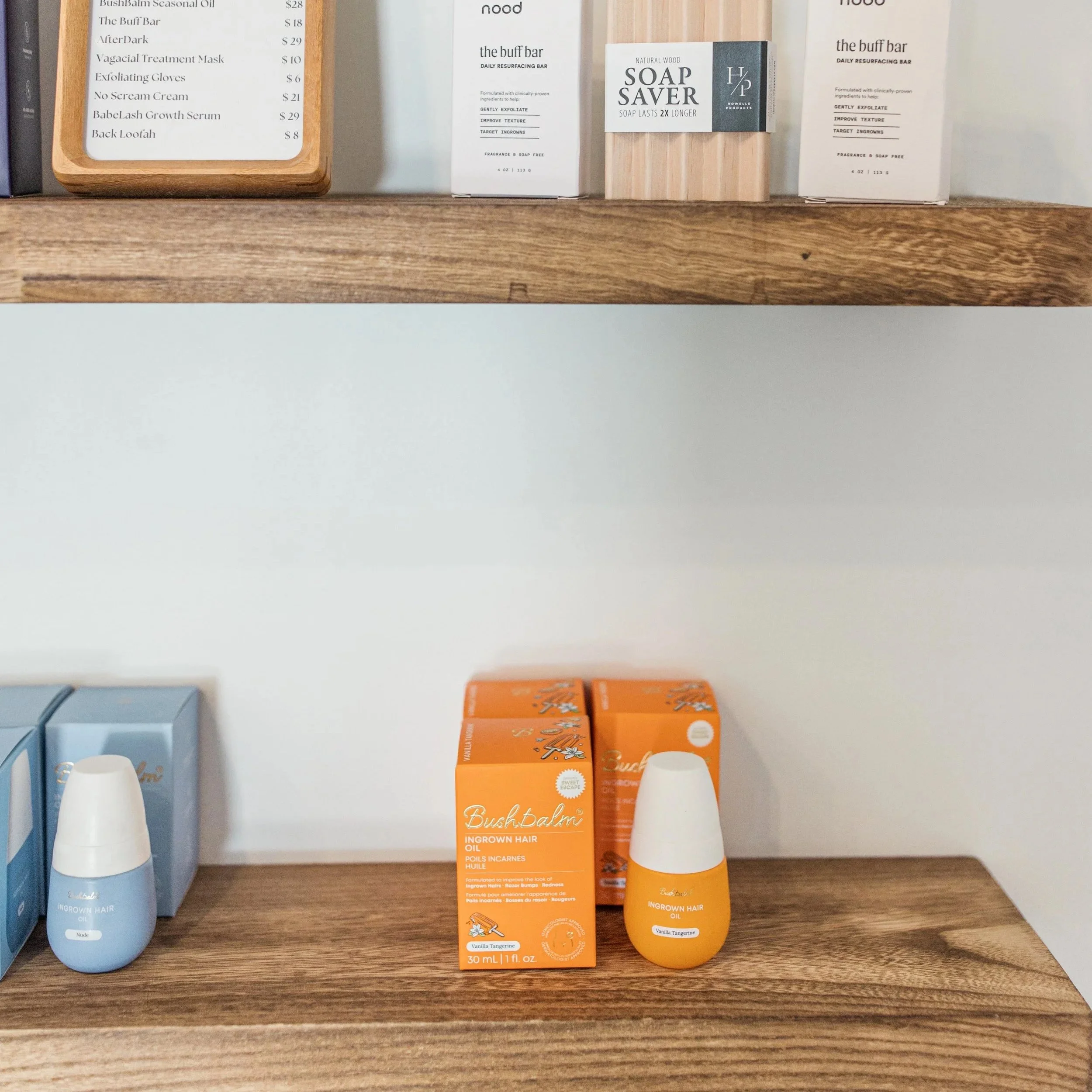
We love lightweight, skin-friendly oils and moisturizers that hydrate without leaving you feeling greasy.
Just remember to wait until your freshly waxed skin has settled before introducing your usual aftercare products.
4. Stop Picking at Your Ingrowns
Seriously. Put the tweezers down.
Trying to dig out an ingrown hair can turn a minor bump into a much bigger problem.
If you notice a trapped hair, resist the urge to squeeze or pick at it. A warm compress may help soothe the area.
If a bump becomes increasingly painful, swollen, warm, or develops significant drainage, it's best to have it evaluated by a healthcare professional rather than trying to extract it yourself.
5. Stay Consistent With Your Waxing Schedule
For many Brazilian waxing clients, appointments every four to six weeks work well, although everyone's hair growth is different.
Maintaining a regular schedule can help you avoid repeatedly switching between shaving and waxing, which may contribute to irritation for some people.
Consistency doesn't guarantee an ingrown-free life, but it can help make your hair-removal routine more predictable.
Our Favorite Products for Ingrown Hair Care
At Neighborhood Wax, we're big believers in keeping aftercare simple, effective, and realistic.
A few of our studio favorites include:
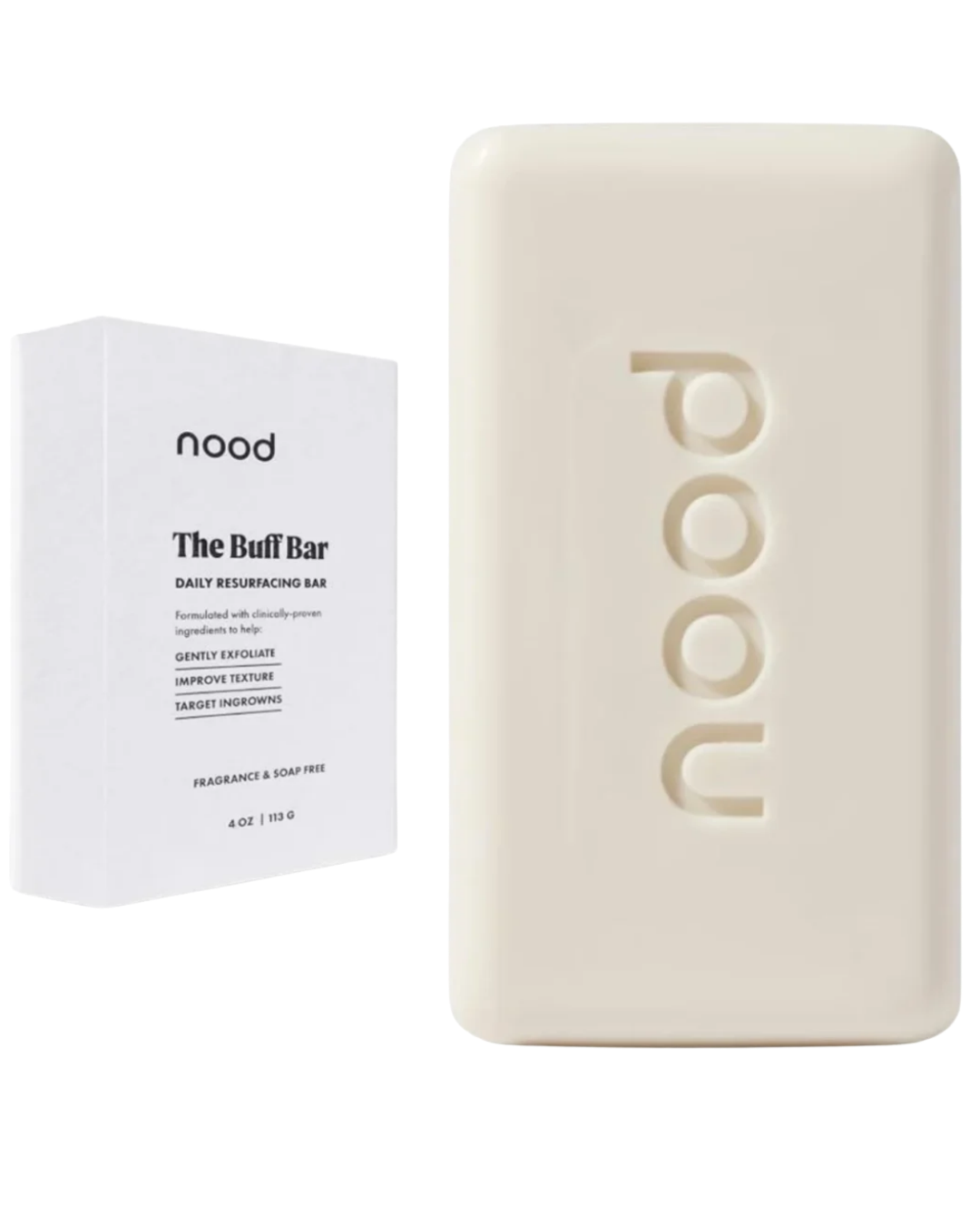
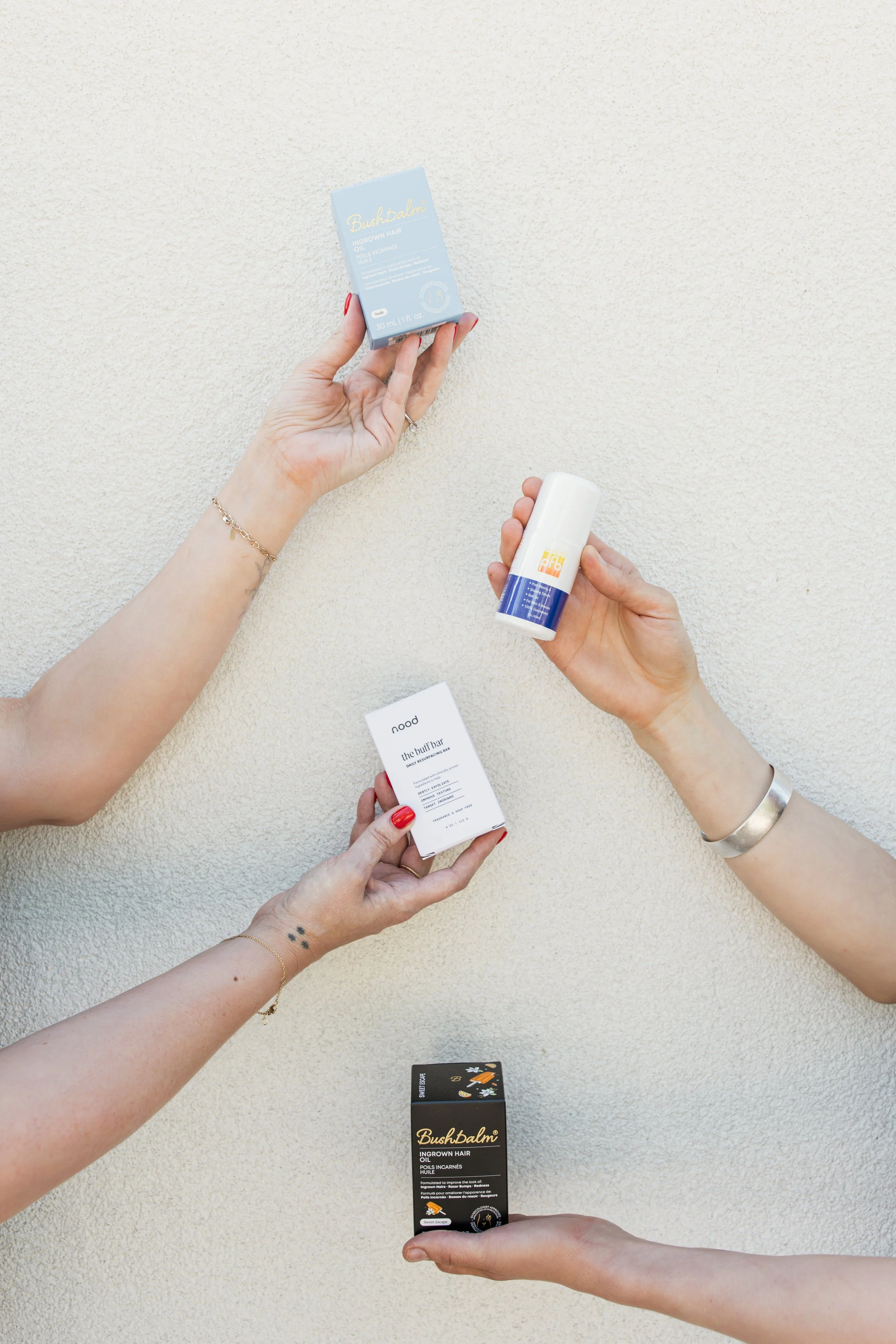
The Buff Bar
Our most favorite exfoliating product. A great option for clients who prefer physical exfoliation. These scrubs help remove surface buildup, release trapped hairs, help with product penetration, all while leaving skin feeling soft and smooth.
One of our favorite things about the buff bar is how easy it is to use. It's water activated and acts like a bar of soap, although there is no soap in the product. It takes less than a minute to use and we recommend using 2-3 times per week.
Use gently and avoid irritated or freshly waxed areas.
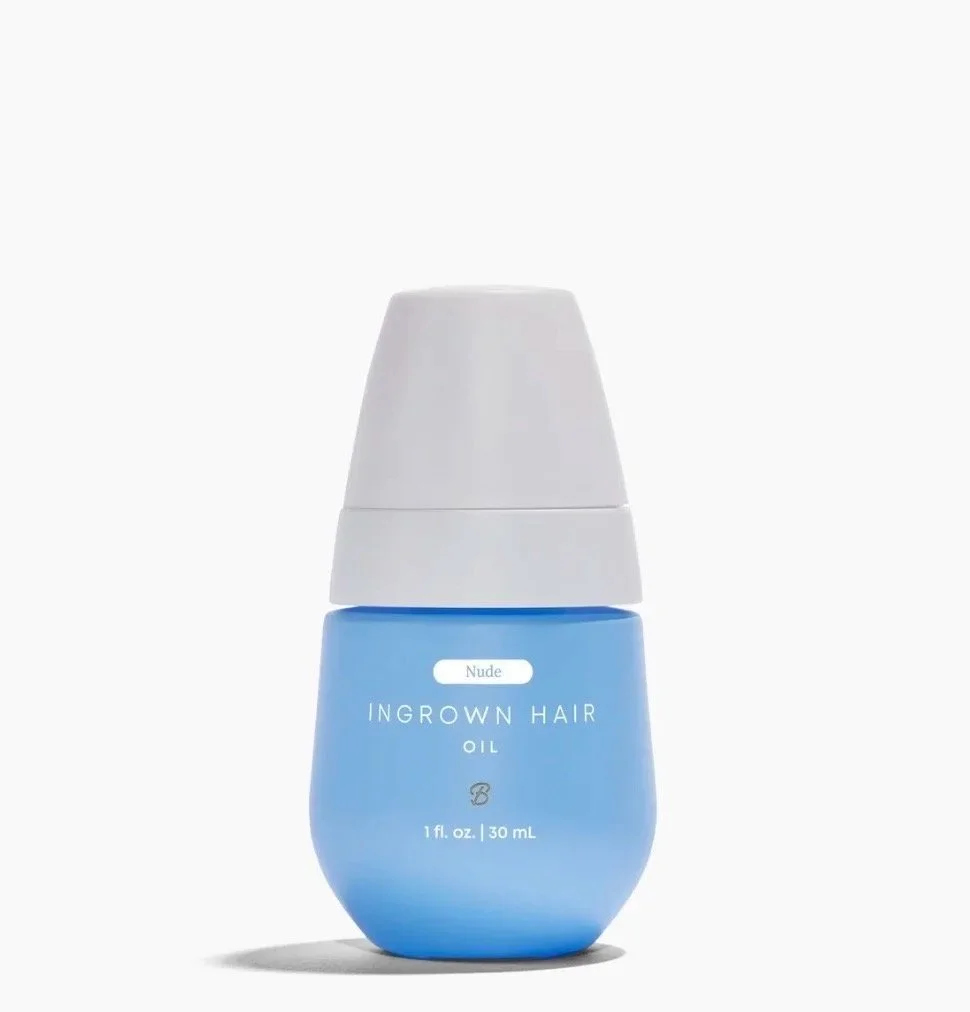
Bushbalm Ingrown Hair Oils
A favorite for maintaining soft, hydrated skin between appointments. These lightweight oils are a nice addition to your routine once your skin has recovered from waxing.
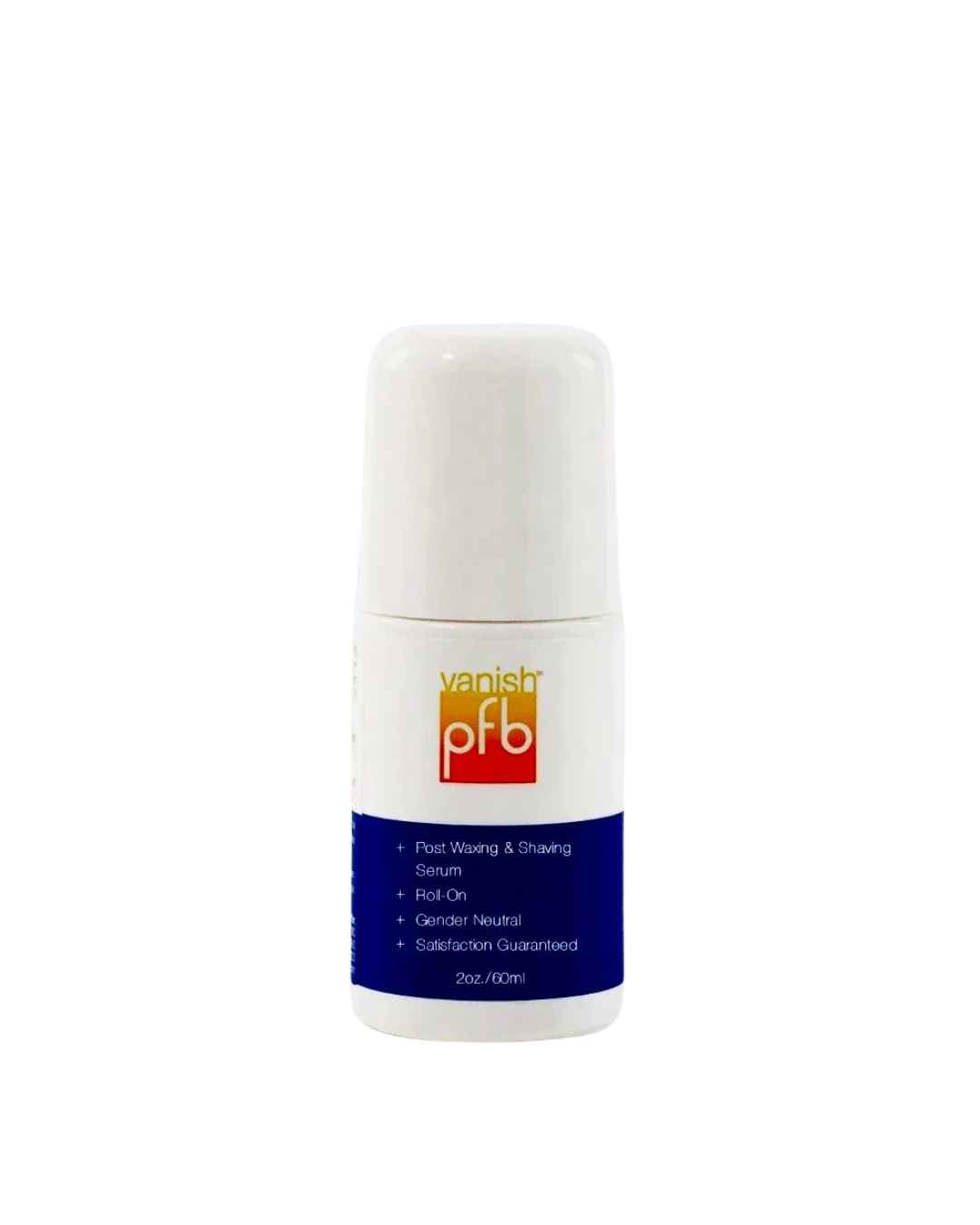
PFB Vanish
For clients who prefer a chemical exfoliant, PFB Vanish is designed to help address ingrown hairs and razor bumps. Because exfoliating formulas can be irritating, it's important to follow the product directions and avoid applying them to freshly waxed or broken skin.
Not every product is right for every client, and that's okay. We're always happy to help you figure out which aftercare products make the most sense for your skin.
What If You Already Have Ingrown Hairs?
First, don't panic. And definitely don't start digging.
If you're dealing with a mild ingrown hair, try keeping the area clean, avoiding friction, and applying a warm compress for comfort.
Pause harsh exfoliants and scrubs directly over inflamed or broken skin. If a bump is worsening, repeatedly returning, or showing signs of infection, seek advice from a medical professional.
And if you frequently struggle with ingrowns, mention it at your next appointment. We can talk through your routine and help identify aftercare habits that might be contributing to irritation.
The Bottom Line: Consistency Beats Complication
Preventing ingrown hairs isn't about buying every skincare product on the shelf or scrubbing your skin into submission.
It's about understanding your skin, exfoliating appropriately, keeping things hydrated, and giving your skin a little TLC between appointments.

And remember, having ingrown hairs doesn't mean you're doing something wrong.
Some skin and hair types are simply more prone to them. At Neighborhood Wax, we're here for more than just the wax itself. We want you to feel comfortable, confident, and informed about caring for your skin long after you leave the studio.